Unlocking the Perks of AI for Human Capital Risk Management and Expert Risk Mitigation
In today's electronic landscape, companies face considerable obstacles connected to human resources dangers and insider dangers (Insider threats). Advanced modern technologies, specifically fabricated knowledge, offer encouraging services to enhance threat management. By examining individual actions and detecting anomalies, AI can provide vital understandings. However, the assimilation of these devices questions about efficiency, execution, and future developments. Checking out these elements reveals an intricate interaction in between modern technology and protection that necessitates better examination
Recognizing Human Capital Threats in the Digital Age
As companies increasingly take on electronic modern technologies, they encounter a myriad of human funding threats that can influence their general efficiency. Staff members may battle to adapt to new devices and processes, leading to lowered efficiency and engagement. Furthermore, the digital atmosphere can assist in the spread of misinformation and lower partnership amongst teams, creating silos and hampering advancement.
Additionally, the shift to remote job presents obstacles in checking worker efficiency and maintaining workplace culture. Organizations needs to additionally contend with cybersecurity hazards, where insider dangers can occur from staff members inadvertently or maliciously endangering delicate information.
Additionally, the rapid speed of technological adjustment can create a skills space, as existing workers might do not have the necessary training to utilize brand-new systems effectively. Understanding and minimizing these human capital threats is important for organizations intending to grow in the electronic age while safeguarding their workforce's well-being and performance.
The Role of AI in Identifying Insider Threats
While organizations browse the complexities of a digital landscape, the function of fabricated knowledge (AI) in determining insider threats has ended up being significantly essential. AI modern technologies utilize progressed algorithms and device learning to assess vast quantities of data, discovering patterns that suggest possible destructive actions from contractors or staff members. By continually checking individual tasks, AI can identify anomalies that differ normal behavior, such as unapproved access to sensitive details or unusual information transfers.
Moreover, AI systems enhance danger detection by integrating numerous data sources, including e-mail interactions, network website traffic, and gain access to logs. This holistic strategy provides companies with a detailed view of possible risks. Furthermore, AI can adjust and boost its detection capacities in time, learning from new data and evolving risk landscapes. Companies that execute AI-driven remedies can substantially lower the chance of expert dangers, protecting their possessions and maintaining a safe and secure functional atmosphere.
Enhancing Danger Administration Techniques With AI Tools
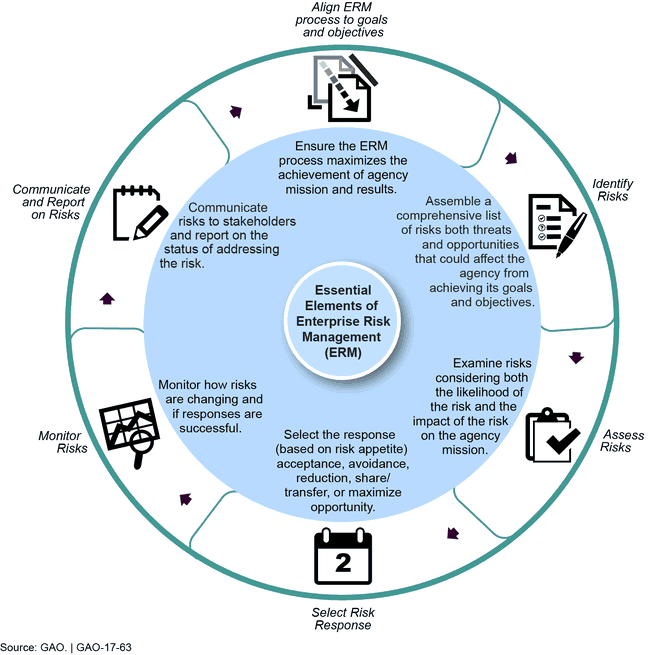
Organizations can greatly boost their threat administration approaches by including AI tools that streamline decision-making processes and boost information evaluation. AI modern technologies offer innovative analytics capacities, allowing organizations to identify possible risks extra quickly and accurately. By leveraging artificial intelligence algorithms, firms can examine large amounts of historical information to reveal patterns and trends that might suggest emerging risks.
AI tools can automate regular monitoring jobs, allowing risk monitoring groups to focus on higher-level critical efforts. This automation not only boosts performance but likewise minimizes the potential for human error in threat evaluations. Predictive analytics can additionally forecast prospective hazards, allowing aggressive actions instead of responsive reactions
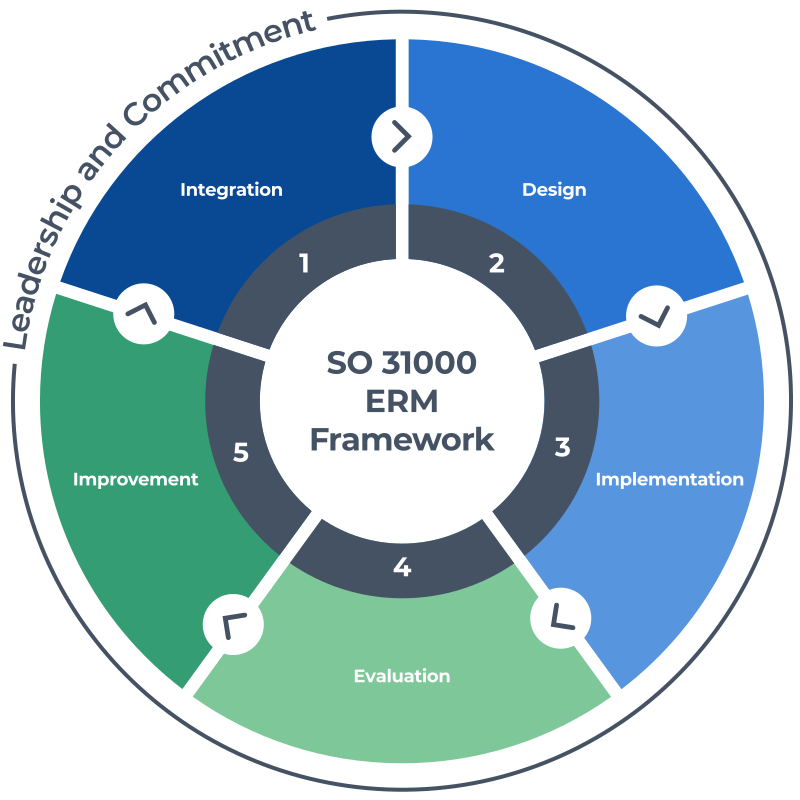
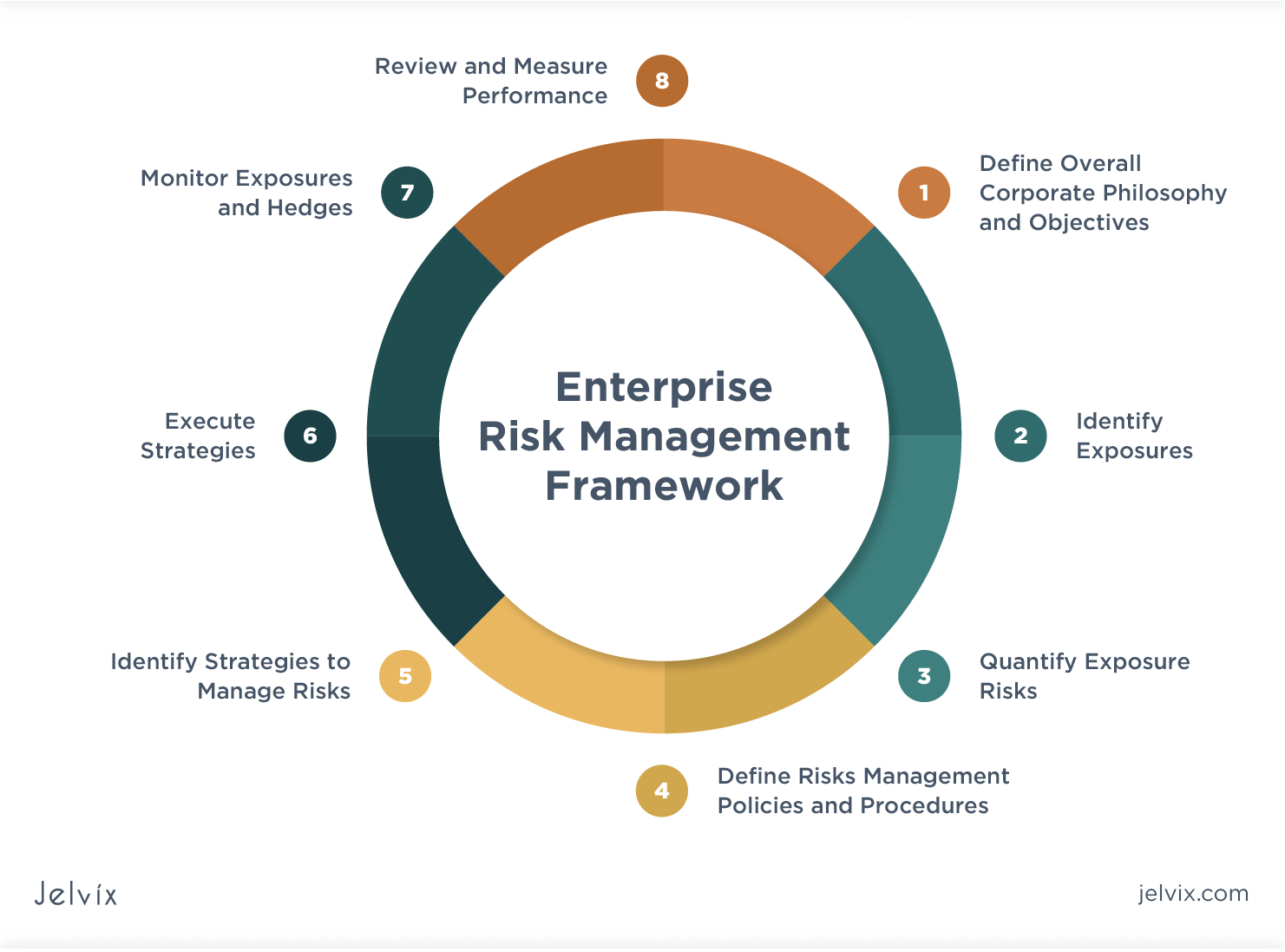
Inevitably, the assimilation of AI into risk management structures furnishes companies with the dexterity required to adapt to advancing hazards while boosting their total strength. By using these innovative devices, companies can assure more informed and robust danger monitoring techniques.
Case Researches: Effective Implementations of AI in Risk Monitoring
Countless companies have efficiently incorporated AI into their risk monitoring frameworks, showcasing the concrete benefits of these sophisticated innovations. One remarkable situation is a significant financial institution that deployed AI-driven analytics to identify potential expert risks. By examining staff member actions patterns, the system flagged anomalies, allowing timely intervention and minimizing events by 30%.
An additional example entails a worldwide manufacturing firm that made use of AI to improve its employee monitoring procedures. The AI algorithms analyzed interaction networks and identified threats related to operational ineffectiveness, leading to a 25% reduction in human capital-related losses.
A healthcare service provider additionally executed AI devices to handle compliance threats properly. Insider threats. By automating the monitoring of governing changes, the organization boosted its adherence to industry requirements, reducing lawful susceptabilities. These study show just how AI not just reduces dangers however likewise cultivates proactive monitoring strategies across different fields
Future Fads: The Evolving Landscape of AI in Person Funding Protection
As technology breakthroughs, the future of AI in human resources safety and security is poised for transformative modifications that guarantee to redefine danger monitoring techniques. Organizations are significantly taking on innovative formulas efficient in real-time information analysis, allowing aggressive recognition of potential insider threats. Boosted equipment discovering designs will help with nuanced behavior analytics, permitting firms to compare harmful and benign activities better.
The assimilation of AI with various other emerging innovations, such as blockchain, will even more bolster information honesty and security protocols. As AI systems end up being much more advanced, they will certainly additionally highlight honest considerations, making certain openness and accountability in decision-making processes.
Furthermore, continual learning mechanisms will encourage AI tools to adjust to progressing hazard landscapes, making certain continual security versus human capital dangers. Ultimately, the merging of AI innovations will lead to more resistant and adaptive human capital protection frameworks, optimizing organizational safety and security and efficiency.
Regularly Asked Questions
Exactly How Can Small Companies Take Advantage Of AI for Threat Administration?
What Are the Costs Connected With Applying AI Solutions?
Carrying out AI solutions incurs prices such as software acquisition, equipment upgrades, training workers, recurring maintenance, and prospective combination with existing systems. Additionally, organizations may face costs connected to data click to read privacy and compliance with laws.
How Can Workers Be Educated to Function With AI Devices?
Workers can be educated to function with AI devices through detailed workshops, hands-on session, and ongoing assistance. Constant discovering possibilities boost their understanding, making sure efficient combination of AI services into their everyday tasks and obligations.
What Ethical Factors To Consider Develop From Using AI in Risk Monitoring?
The ethical considerations of AI in threat administration consist of data personal privacy, mathematical bias, openness, liability, and the capacity for discrimination. Organizations must browse these difficulties to guarantee liable and reasonable usage of AI modern technologies.
Exactly How Does AI Deal With Information Personal Privacy Issues in Risk Analyses?
AI addresses data personal privacy issues in threat assessments by applying anonymization, access, and security controls. These actions help safeguard sensitive details while enabling organizations to evaluate information successfully without jeopardizing specific personal privacy rights.
Eventually, the assimilation of AI right into risk management frameworks gears up companies with the agility needed to adapt to advancing risks while improving their total strength. Numerous organizations have effectively integrated AI into their danger administration structures, showcasing the concrete advantages of these innovative technologies. As innovation advances, the future of AI in human funding security is poised for transformative modifications that assure to redefine danger management methods. In enhancement, constant learning mechanisms will certainly empower AI tools to adapt to advancing threat landscapes, ensuring sustained protection against human websites resources risks. The honest factors to consider of AI in threat administration include data personal privacy, mathematical predisposition, transparency, responsibility, and the capacity for discrimination.